
How To Make Homemade Pumpkin Purée
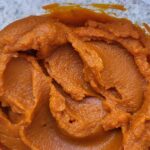
Every fall, I fall in love with making homemade pumpkin purée. If you’ve never tried making homemade pumpkin purée, you’re seriously missing out. Homemade pumpkin purée gives you control over the pumpkin, cooking method, freshness, and final texture.

WHY MAKE PUMPKIN PURÉE?
- For me, it’s all about the flavor: When you start with a naturally sweet, flavorful pumpkin, homemade pumpkin purée can have a depth of flavor that I simply don’t get from many store-bought versions. It tastes fresh, naturally sweet, and distinctly like pumpkin.
- More ways to use pumpkin purée: Don’t limit your homemade pumpkin purée to pumpkin pie! Once you have a batch in the refrigerator or freezer, it’s a wonderfully versatile ingredient. Use it in pumpkin breads, cakes and muffins, or venture beyond baking with pumpkin tiramisu, marshmallows, mousses, pasta fillings, sauces and smoothies.
- Freeze the purée in recipe-sized portions: It’s a great way to preserve the fall harvest. If you have access to fresh pumpkins, you can process several at once and freeze for later.
- You control how thick, smooth, and concentrated your pumpkin purée becomes:
- It starts with the pumpkin: Most canned pumpkin puree in the United States is made from the Dickinson pumpkin, a winter squash variety related to butternut squash. When making it yourself, you can experiment with sugar pumpkins, pie pumpkins, heirloom varieties, or even other flavorful winter squash varieties.
BEST PUMPKINS FOR PURÉE
Don’t be tempted to use decorative pumpkins like Howden Biggie or Connecticut Field pumpkins for pumpkin purée. While they may look beautiful, they tend to be watery, stringy, and flavorless.
Sugar pie pumpkins: For the tasty homemade pumpkin purée, use sugar pie pumpkins, often labeled as pie pumpkins or sugar pumpkins. These pumpkins are naturally sweeter and have a smooth, dense texture that works wonderfully for cooking and baking. They’re usually small, round, medium-to-dark orange, and feel heavy for their size. Compared to large carving pumpkins (jack-o-lanterns), sugar pumpkins are less fibrous and produce a richer, smoother purée. If you can’t find sugar pumpkins, don’t worry, there are other excellent eating varieties you can use.
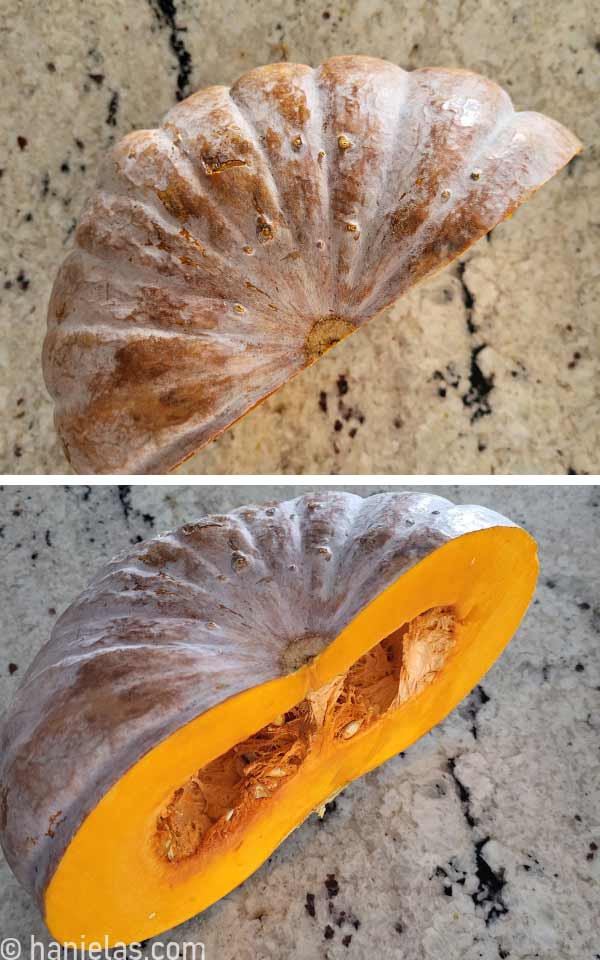
Muscat pumpkin: I picked up a beautiful Muscat pumpkin at a local market. It’s sweet, with deep orange flesh and light nutmeg undertones.
SHOULD YOU SEASON PUMPKIN FOR PURÉE
You only need one ingredient: an eating pumpkin. No oil, no seasoning, and usually no salt. I like to keep the flavor pure and unadulterated, so the natural sweetness and earthy pumpkin flavor really shine through.
WHY I ALWAYS ROAST PUMPKIN FOR PUREE
- While you can steam pumpkin, I strongly prefer roasting it: baking is incredibly simple and, in my opinion, gives homemade pumpkin purée a far superior taste and texture.
- Roasting brings out its natural sweetness and a deeper, more concentrated flavor with subtle caramelized notes that steaming simply can’t achieve.
- It also helps excess moisture evaporate, resulting in a thicker, richer purée.
- Steaming, on the other hand, exposes the pumpkin to additional water and produces a milder flavor, which is why roasting is my go-to method.
- This method isn’t limited to pumpkins, either: You can easily use butternut squash or acorn squash instead.
- I once made an acorn squash cake with homemade purée, and it was absolutely delicious.
ROAST PUMPKIN

1. Wash the pumpkin, and I slice it into thick, more manageable pieces (step 1). You can line the baking sheet with parchment for an easy cleanup. Bake the pumpkin at 400°F (200°C) until the flesh is very soft, not just fork-tender (step 2).
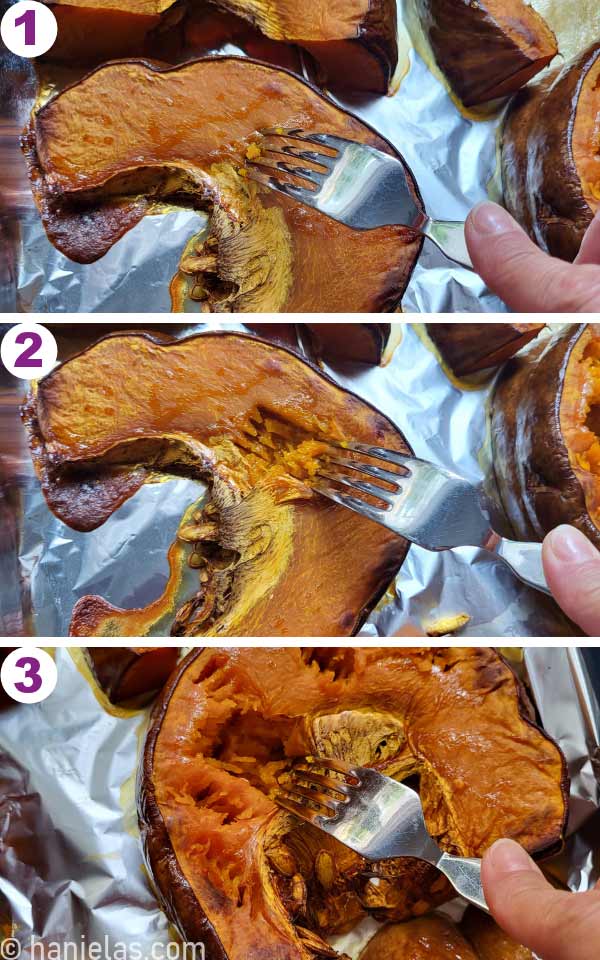
2. Keep baking the pumpkin until you can easily, without much effort, tear the flesh with the fork (steps 1-3). It takes about an hour.
SCOOP & PURÉE
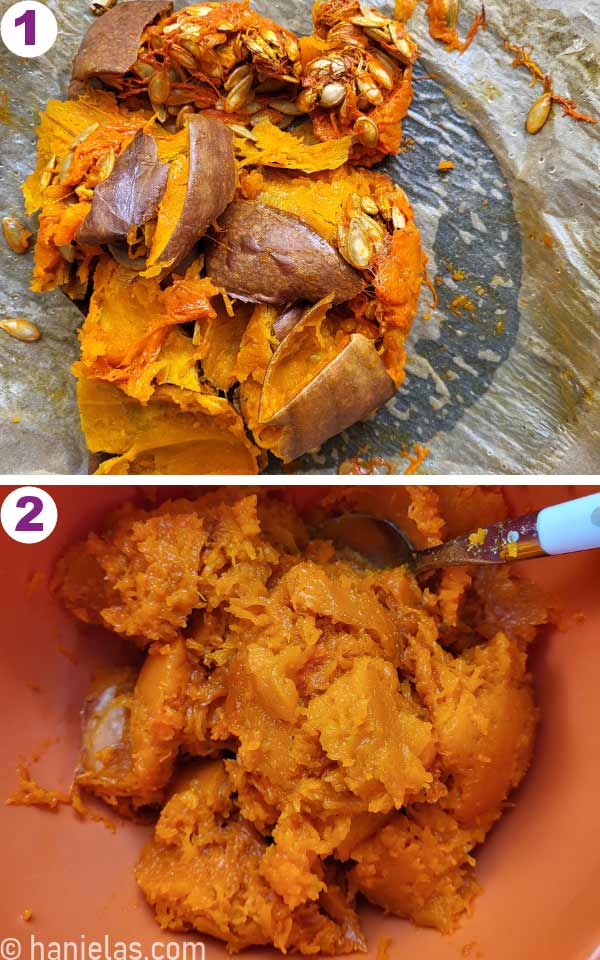
1. With a spoon, discard the seeds. Remove pumpkin flesh from the skin (image 1). Place pumpkin flesh into a bowl (image 2).
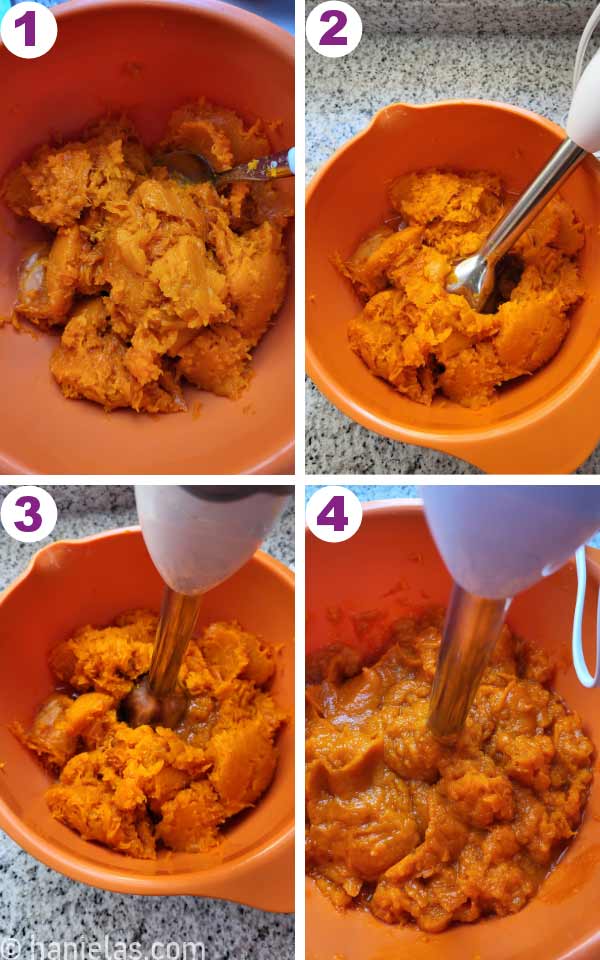
2. An immersion blender works great for pureeing soft pumpkin flesh into a smooth, delicious puree (steps 1-4). When working with larger quantities, you can bring in the boss – the food processor and blend away until smooth.
HOW TO THICKEN WATERY PUMPKIN PURÉE
Fresh pumpkin can contain quite a bit of water, and the amount varies depending on the variety and how it was cooked. I prefer a thick purée similar in consistency to canned pumpkin. If your roasted pumpkin is still too watery, don’t worry, you can easily remove excess moisture.
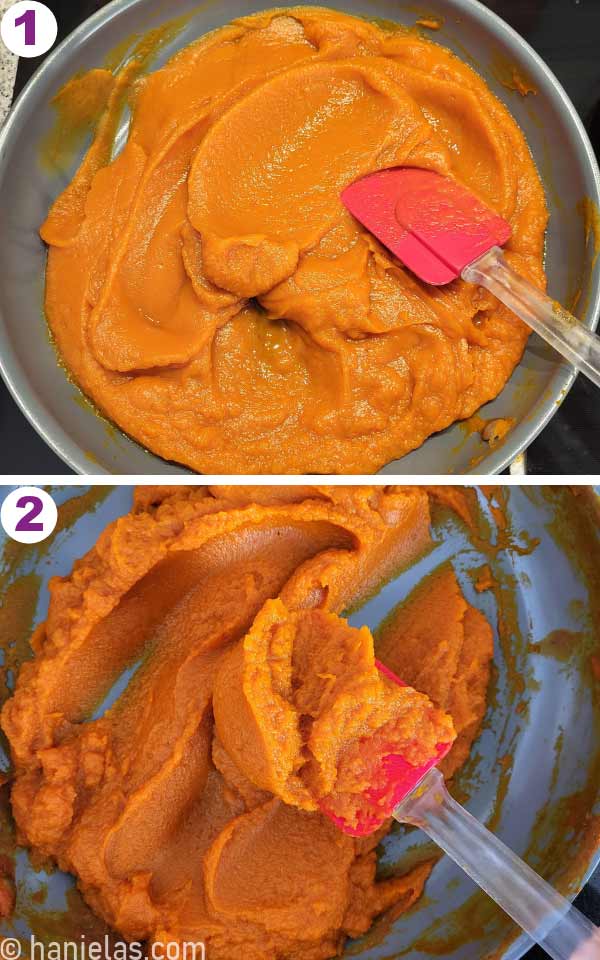
- On the stove: If your fresh pumpkin purée turns out too watery, don’t worry, it’s an easy fix. Simply pour it into a wide skillet and bring it to a gentle simmer. Cook it down, stirring frequently to prevent it from scorching, until the excess moisture evaporates and the purée thickens to your desired consistency.
- In the oven: Alternatively, you can spread the purée on a rimmed baking sheet and bake it at 300°F (150°C). Stir every 10–15 minutes until the water evaporates and it thickens.
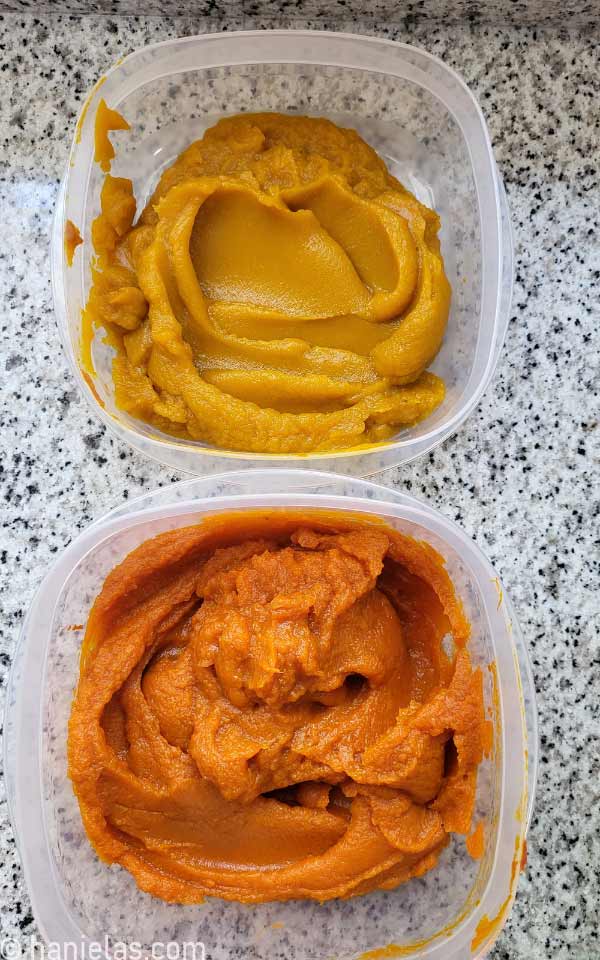
EVERY PUMPKIN MAKES A DIFFERENT PURÉE
Remember, no two pumpkin varieties are exactly alike. Two pumpkin varieties will produce two different pumpkin purees. As you can see in the image below, one variety produced a mustard-colored purée while another produced a deep, vibrant orange. Each variety will also vary in taste, sweetness, and consistency; some are more watery than others.
HOMEMADE PUMPKIN PURÉE: FAQ & TROUBLESHOOTING
- why is my homemade pumpkin purée watery?
- how long does pumpkin puree last?
- what pumpkin is best for homemade pumpkin purée?
- can I freeze pumpkin purée?
- how do I get really smooth pumpkin purée?
- what to do with pumpkin puree?
Why is my homemade pumpkin purée watery?
Fresh pumpkin naturally contains more water than canned pumpkin, and the water content varies by variety. Roasting helps evaporate some of that moisture. If your purée is still loose, drain it through a fine-mesh sieve or cheesecloth before using it in baking, or follow my steps for removing excess water from pumpkin purée.
How long does pumpkin puree last?
Fresh pumpkin puree will last for up to a week in the fridge. Store it in an airtight container.
What pumpkin is best for homemade pumpkin purée?
Use pumpkins for eating, like sugar pumpkin, muscat, or try these pumpkins for eating.

Can I freeze pumpkin purée?
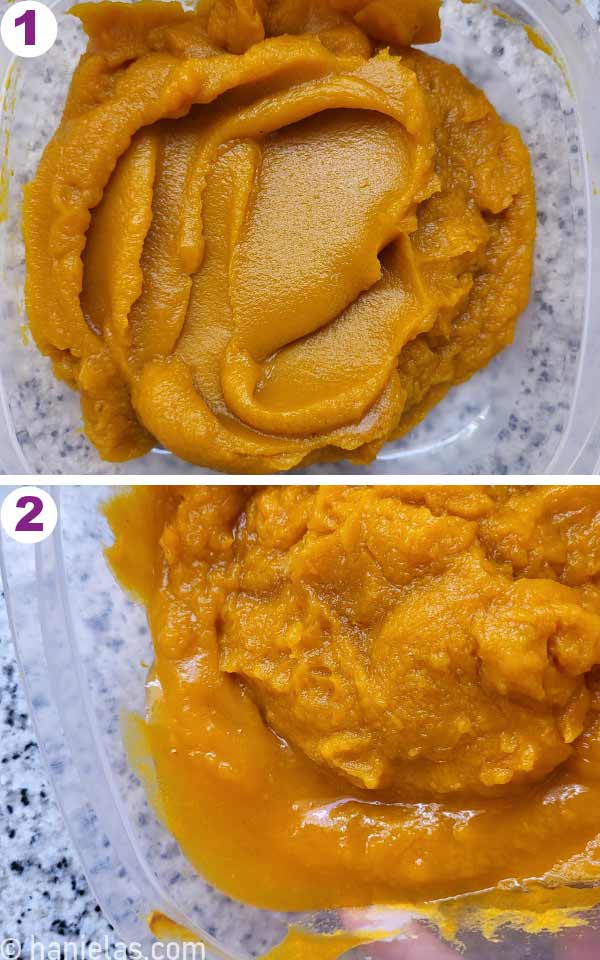
Yes, you can freeze the puree in Ziploc bags or freezer-safe containers for up to 6 months (step 1). Freeze Ziploc bags filled with puree flat on a tray, and then once frozen, you can easily stack them.
What do I do if my frozen purée separates? The frozen puree will contain about 9% more water after thawing (step 2). This is normal due to the water expansion when frozen. If the puree is too watery, pour it into a fine-mesh colander and let it drain overnight, or follow the steps to remove excess water.
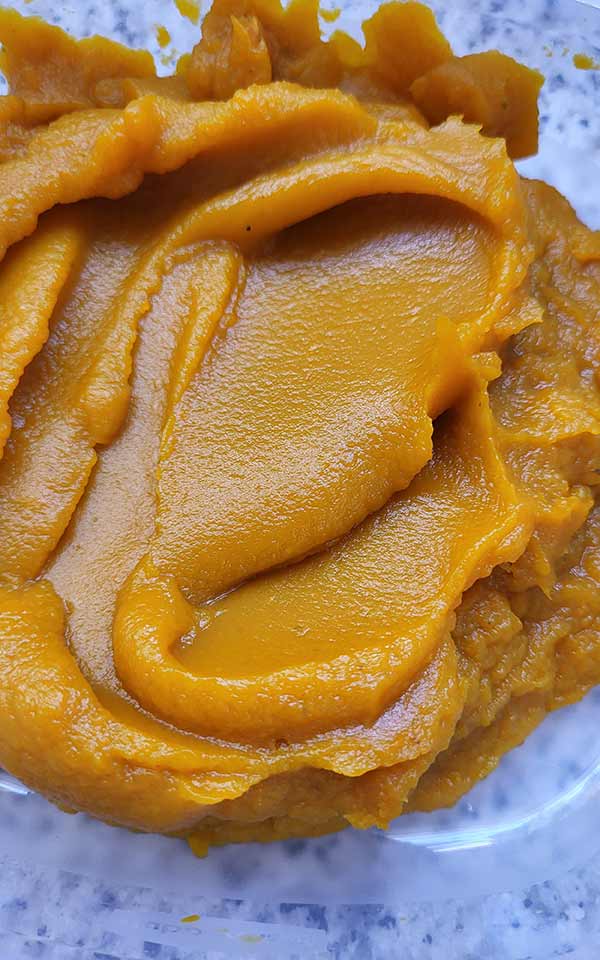
How do I get really smooth pumpkin purée?
The first step is to roast the pumpkin until very soft. To puree the flesh, an immersion blender works well for smaller quantities; a food processor is ideal for larger batches. If the purée remains fibrous, process it for longer and/or pass it through a fine sieve.
What to do with pumpkin puree?
- Make a pasta sauce
- Pumpkin pancakes are divine – recipe is on my YouTube channel
- Use it as ravioli filling – combine it with cheese and herbs for tasty pasta filling.
- Make pumpkin spaetzle (flour dumplings)
- Have you tried it in the soup?
- Cheesecake is always a good idea.
- Pumpkin Spice Cut-Out Cookies with Maple Frosting
- Mash it into mashed potatoes.
- Everyone’s favorite – Pumpkin bread
Homemade Pumpkin Puree
Equipment
- 1 Immersion Blender or Food Processor
Ingredients
- 1 fresh eating pumpkin 4 – 6 pounds (1.8 kg – 2.7 kg)
Instructions
- Preheat oven to 400°F (205℃). Line a baking sheet with parchment.
- Rinse the pumpkin. Cut it in half and slice it into thick pieces.Arrange pumpkin pieces on a baking sheet in one layer.
Bake
- Bake pumpkin for about an hour or until the flesh is very soft. Not just fork- tender. The flesh should easily tear when you use a fork.Remove the soft pumpkin from the oven and allow it to cool for a couple of hours.
Remove Flesh
- Use a spoon to remove the seeds.Into a mixing bowl spoon all the soft pumpkin flesh. Discard the skin.
Puree
- Puree pumpkin flesh with an immersion blender or use a food processor; pulse until smooth.
Reduce Water
- Stove: If the puree is too watery, pour it into a wide skillet and cook it down to evaporate excess water and thicken it.Oven: Preheat oven to 300℉ (150℃). If working with a larger amount, use a rimmed baking sheet. Pour puree onto the baking sheet and bake, stirring every 20 minutes until the water evaporates and the puree thickens.
Notes
- How long does pumpkin puree last? In the fridge for up to a week.
- Can I freeze pumpkin puree? Yes, you can freeze it for up to 6 months. Frozen puree, when thawed, can contain more water; this is normal. All you need to do is cook it down in a skillet to evaporate excess liquid or let it drain in a fine-mesh colander overnight, in the fridge.

Hi, I’m Hani
Welcome!
Thank you for visiting Haniela’s. On my blog, you’ll find delicious sweet & savory recipes made with simple ingredients. Why not start a new adventure? Discover a world of cookie decorating with my step-by-step tutorials.

Hi, I’m Hani
Welcome!
Thank you for visiting Haniela’s. On my blog, you’ll find delicious sweet & savory recipes made with simple ingredients. Why not start a new adventure? Discover a world of cookie decorating with my step-by-step tutorials.







Hi Hani. In Australia we regularly get bright orange Kent , or butternut pumpkins which are pale. Love making pumpkin pies and individual tarts but find them way too watery. By heating the puree will it make it too dark and lose that vibrant colour? Thanks for your great cookie and cake tutorials. 👏🏼👏🏾😍🧡
Hi Ruby,
Thank you for sharing Ruby.
You can also try letting it strain thru a cheesecloth or a fine mesh sieve. I would let it sit overnight and see if it helps resolving the water issue.
I haven’t noticed any dramatic color change when cooking the puree down to evaporate water.
This brings back fond memories of my mother making pumpkin pies. She refused to use canned pumpkin! My mother used neck pumpkins. The taste really is better than canned. I hope to find sugar pumpkins this fall.
Hi June,
I think our grandmothers were alike. Mine, refused to ever use store-bought pasta. There are so many varieties that can be use to make the puree. If you can’t find any
sugar pumpkins you can use any eating pumpkin. Have a great rest of the summer, June.♥