
Easy Vegan Cut-Out Sugar Cookies Recipe |Keep their shape|
Looking for a reliable vegan cut-out sugar cookie recipe that actually tastes good? These cookies have become a longtime favorite among bakers and readers alike. They bake up with crisp edges, hold their shape beautifully, and taste delicious plain or decorated with eggless royal icing.
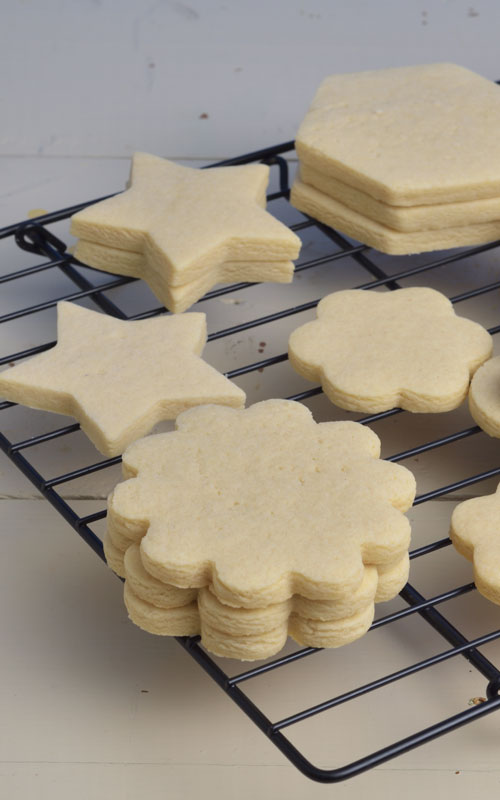
WHY YOU WILL LOVE THIS RECIPE
- “Perfect recipe!! Easy recipe to follow, the cookies kept their shape when baking and had a great taste/texture.” Shreya
- “This is such an amazing recipe! My friends who are vegan love it. It is easy to roll out and cookies hold their shape. I used the recipe just as it is written. Thank you!” TG
- “If I could give this 100 stars I would. My grandson is allergic to eggs/dairy and this is perfect for him. The cookies hold their shape beautifully and the icing works as good or better than traditional royal icing. A million thanks!!!” Pam
- “What an amazing recipe. I am so blown away. I haven’t left a review for a recipe in such a long time, but this one really made me stop and give one. These cookies taste better than my usual sugar cookie go-to recipes. They’re very tender and soft so I leave them in the oven maybe 1-2 minutes longer and after they cool I store them in the freezer and…omg. They taste even better frozen.” Kano
INGREDIENTS & SUBSTITUTIONS
I’ve tested this recipe several times, making minor adjustments, like trying different ingredients, and after all that trial and error, I’m ready to share it with you guys, with a few tips and tricks, of course.
- Earth Balance – Vegan butter/margarine, it’s naturally salty, and I don’t add additional salt to the dough. That’s why you don’t see salt in the list of ingredients. If you can’t find Earth Balance, Miyoko’s plant butter is a reliable substitute; it works great for buttercream, too.
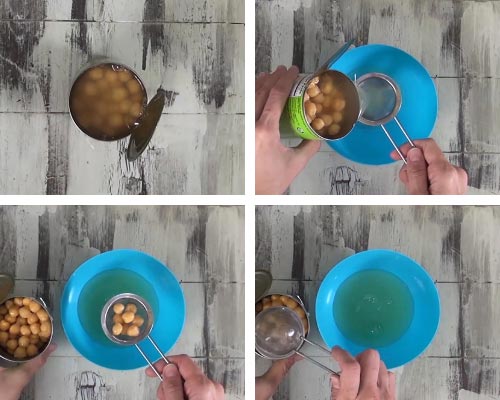
- Aquafaba – I use the liquid drained from canned chickpeas.
- While you can make aquafaba from home-cooked chickpeas, it usually takes quite a while to reduce the liquid enough to reach the same concentration and viscosity as canned chickpea liquid. Canned aquafaba tends to give more consistent results, which is why I prefer using it.
- In this recipe, aquafaba helps bind and emulsify the ingredients without affecting the flavor or giving the cookies a heavy texture.
- If you don’t have it, you can use plant-based milk.
- Florida Crystals Organic Cane Sugar – Not all sugar is Vegan. This sugar is not processed with bone char. Always check the label or contact the brand directly to find out more.
- Vanilla and Almond Extract – If you are allergic to nuts, skip the Almond and use extra Vanilla, or try other flavors.
- Corn Starch – It helps prevent excessive spreading and makes cookies slightly chewier and tender with a melt-in-your-mouth feel.
- All-purpose Flour – I use a good-quality flour (I love King Arthur All-Purpose). If you’d like, you can use gluten-free flour. Please check the success tips section for details.
- Baking Powder – Provides a light lift and improves texture.

VEGAN BUTTER/MARGARINE
First, let’s talk about vegan butter, or as some say, it’s not butter, it’s margarine. There are quite a few options on the market. I narrowed it down to two I wanted to try in this recipe: Earth Balance Vegan Butter and Nutiva Shortening
Nutiva Shortening – I’ve been using the Nutiva brand for some time. If you are not familiar with Nutiva Shortening, check it out. It has a very light coconut flavor and golden yellow color, and it doesn’t have to be refrigerated.
Earth Balance seems to be the most popular among vegan bakers. It’s reliable and yields consistent results. It has a neutral taste and color. And it’s available at most grocery stores. It also contains some salt, so I didn’t find it necessary to add extra salt to the cookie dough.
Using both of these resulted in very tasty cookies. However, it was brought to my attention that Nutiva Shortening is made in a facility that also handles unrefined coconut, walnut, and almond oils. I’m not sure if this makes it not suitable for people with nut allergies, but it’s definitely worth mentioning. Nutiva is excellent in responding to emails, and so if you have further questions, you can email them.

NUTIVA SHORTENING VERSUS EARTH BALANCE
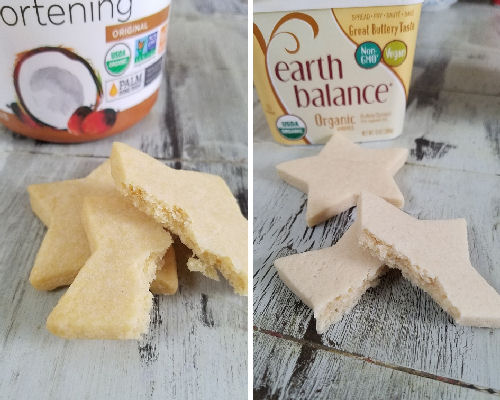
You’ll see in the picture below that the butter color is also reflected in the finished product. More yellow tones are achieved with Nutiva. Lighter, neutral tones are achieved with Earth Balance.
- Cookies with Earth Balance – baked with a softer bite, with sharper edges and more neutral color tones.
- Cookies made with Nutiva – baked with yellow tones and crispier edges. They also felt a bit oilier to the touch. They reminded me of old-fashioned, thin, and crispy Christmas Cookies. Over several days, stored in an airtight container, the greasiness dissipated.
AQUAFABA (Chickpeas Brine)
To make the cookie dough vegan, I needed a good egg substitute. By now, you’ve probably heard of aquafaba – the viscous liquid from a can of chickpeas. Ever since its baking potential was discovered in 2014, this humble “bean water,” once poured straight down the drain, has become a sensation and a favorite ingredient among vegan bakers worldwide. And honestly, it’s about as close to a real egg substitute as it gets. Aquafaba contains proteins and has natural binding, foaming, and emulsifying properties that mimic many of the functions of eggs in baking.
Since I wanted these cookies to keep their classic texture and flavor, I skipped fiber-heavy egg replacers and used aquafaba instead. I almost always have chickpeas in my pantry, so using the leftover liquid felt practical and easy. Plus, if you end up with extra aquafaba, you can freeze it for later.
VEGAN COOKIE DOUGH
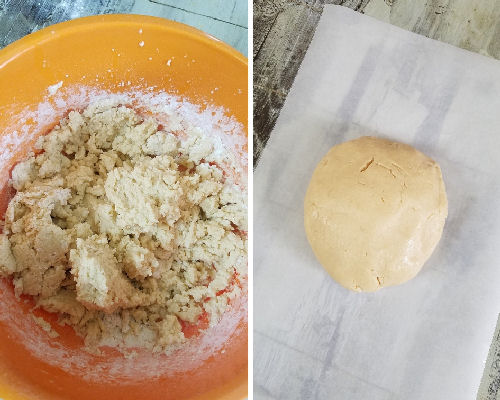
Beat sugar and room temperature Earth Balance until creamy. Beat in Aquafaba, Vanilla, and Almond Extract.

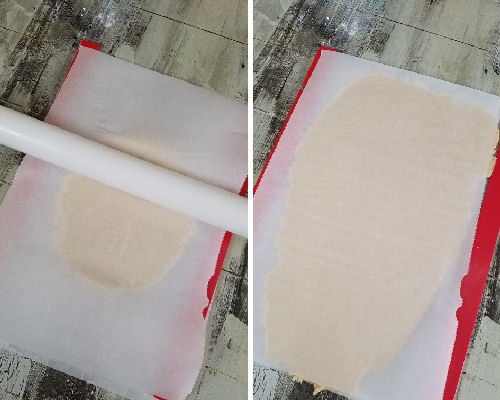
Sift together flour, corn starch, and baking powder. On low speed, beat the dry mix into the wet ingredients. Beat the dough only till the mixture is moistened throughout. Then use a spatula to gather the dough into a ball. Flatten it into a disk and roll it out between 2 sheets of parchment.
ROLL OUT THE DOUGH
- I tried chilling the dough once before rolling it out; don’t make the same mistake. The dough became crumbly and difficult to work with.
- Instead, roll the dough out immediately after mixing it, between two sheets of parchment paper. This method worked beautifully for me. I also used ¼-inch guides on the sides to keep the thickness even throughout.
- Once rolled out, refrigerate the dough for at least 30 minutes, or up to 3 hours, before cutting out shapes.
CUT-OUT COOKIES
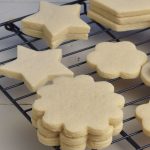
Cut out cookies. Transfer them onto a baking sheet lined with parchment paper. Re-roll scraps and cut out more cookies.

BAKE COOKIES
Bake cookies at 350°F (180 °C) for 9-10 minutes. Let cookies cool on the baking sheet for 5 minutes, then transfer them onto a cooling rack to cool completely.

SUCCESS TIPS
Over the years, this recipe has received so much wonderful feedback from fellow bakers, and I’m so happy so many of you enjoy it. Here are a few helpful tips and substitutions shared by readers and from my own experience.
You can simply omit the almond extract and replace it with additional vanilla extract.
Reader Christina recommends using Pamela’s Artisan Gluten-Free Flour Blend to make vegan gluten-free cut-out cookies. You can find her full feedback in the comments section.
Reader Samara shared a great tip:
“I live in a hot climate, and I’ve noticed that the Earth Balance spread doesn’t perform well in cookies unless I use it directly out of the fridge.”
Keeping vegan butter cold can help the cookies hold their shape better.
Yes, you can use regular dairy butter instead of vegan butter if needed.
If you don’t have aquafaba, you can substitute it with plant-based milk instead. Soy and Oat milk are both great for baking.
You can use Vegan Royal Icing or Glaze Icing.
Cookies keep at room temperature for a week; after that, they slowly begin to lose some moisture.
Absolutely. Cookies freeze well in an airtight container or ziploc bags for up to 3 months.
Cookies can dry out a bit faster than traditional sugar cookies. To help prevent this, you can add 1 tablespoon of agave nectar or invert sugar syrup to the chickpea brine mixture. Add one or two more tablespoons of flour. Then I bake the cookies for 10–11 minutes for the best texture.
TRY THESE DELICIOUS VEGAN RECIPES
- Vegan Chocolate Sugar Cookies
- Vegan Royal Icing
- Hot Dog Buns Recipe
- Delicious Vegan Vanilla Cupcakes via Loving it Vegan
Vegan Cut Out Sugar Cookies
Ingredients
VEGAN CUT OUT SUGAR COOKIES
- 1/2 cup vegan granulated sugar 100 grams
- 1/2 cup vegan butter at room temperature 1 stick, 113 grams, Earth Balance
- 2 tbsp chickpeas brine(aquafaba) 30 ml, at room temperature
- 1 tbsp Vanilla extract
- 1/2 tsp Almond extract (optional)
- 1 ½ cup all-purpose flour 215 grams
- 2 tbsp corn starch or potato starch 15 grams
- 1/2 tsp baking powder
Instructions
Vegan Cookie Dough
- Cream sugar (1/2 cup, 100 grams) and vegan butter (1/2 cup,113 grams) for 5 minutes, until fluffy.In a small dish, combine aquafaba (2 tablespoons), Vanilla extract (1 tablespoon), and almond extract (1/2 teaspoon). Gradually beat the aquafaba mixture into the butter mixture. Sift flour (1 ½ cup, 215 grams), corn starch (2 tablespoons, 15 grams), and baking powder (1/2 teaspoon).At low speed, beat the flour mixture into the wet ingredients. Beat till everything comes together; lumps are okay. Don't overmix. If the mixture appears wet, you can add a little more flour.
- Gather dough into a disk and roll it out between 2 parchment sheets, using 1/4 inch rolling guides. Refrigerate for 30 minutes, or up to 3 hours.
- Peel off the parchment and cut out as many shapes as you are able. Transfer cut-outs onto a light-colored baking sheet lined with parchment. Gather the scraps, re-roll, and cut out a few more cookies.
Bake
- Bake at 350°F (180℃) for 9 -10 minutes. Cookies will be soft when they first come out of the oven. Let them cool on a baking sheet for 5 minutes before transferring them to a cooling rack.
Video
Notes
- How do cookies keep? – Cookies can be stored at room temperature in an airtight container for up to a week.
- Keep cookies moist for longer – One thing I’ve noticed is that these cookies can dry out a bit faster than traditional sugar cookies. To help prevent this, you can add 1 tablespoon of agave nectar or invert sugar syrup to the chickpea brine mixture. Add one or two more tablespoons of flour. Then I bake the cookies for 10–11 minutes for the best texture.
This post contains Amazon affiliate links that earn me a small commission, at no cost to you. I only recommend products that I use and love. Learn more about my affiliate policy here.

Hi, I’m Hani
Welcome!
Thank you for visiting Haniela’s. On my blog, you’ll find delicious sweet & savory recipes made with simple ingredients. Why not start a new adventure? Discover a world of cookie decorating with my step-by-step tutorials.

Hi, I’m Hani
Welcome!
Thank you for visiting Haniela’s. On my blog, you’ll find delicious sweet & savory recipes made with simple ingredients. Why not start a new adventure? Discover a world of cookie decorating with my step-by-step tutorials.




This is such an amazing recipe! My friends who are vegan love it.
It is easy to rollout and cookies hold their shape. I used the recipe just as it is written.
I am wondering if the icing would work for royal icing transfers?
Thank you!
Hi TG,
That’s awesome! I’m glad you and your friends enjoy the recipe.
Yes you can use my Vegan Royal Icing to make transfers. I used it to make transfers in this project Bee Mine Honeycomb Valentine’s Day Cookies
What an amazing recipe. I am so blown away, lol. I haven’t left a review for a recipe in such a long time but this one really made me stop and give one.
These cookies taste better than my usual sugar cookie go-to recipes. They’re very tender and soft so I leave them in the oven maybe 1-2 minutes longer and after they cool I store them in the freezer and…omg. They taste even better frozen. I subbed the extracts for LorAnne “Princess Cookie & Cake” Emulsion and Vanilla. It tastes like a citrusy dream lol. I don’t think I’ll go back to making regular sugar cookies and I am not even vegan. Can’t wait to try the chocolate version! (Oh, and I made the Vegan RI to go with it and that tastes amazing, too. You are so talented and thank you for sharing.)
Hello Kano,
Thank you so much for such an raving review and for sharing your process. Made my day!
I’m so happy you like the recipe. I love the Princess Emulsion, too.
If I could give this 100 stars I would. My grandson is allergic to eggs/dairy and this is perfect for him. The cookies hold their shape beautifully and the icing works as good or better than traditional royal icing. A million thanks!!!
Hello Pam,
Thank you so much. I’m happy you enjoyed making the cookies for your grandson.
Have a great day.
Hani
Can these cookies be frozen after iced?
Hi Joyce,
I’ve tried freezing vegan cut-out cookies, and those were fine.
I’m not 100% about cookies decorated with egg-free royal icing.
I will have to test it myself.
I’m searching for vegan granulated sugar, where did you find the best one?
I like Florida Crystals Organic Cane Sugar. It’s listed at the very top of the post under ingredients.
Perfect recipe!! Easy recipe to follow, the cookies kept their shape when baking and had a great taste/texture.
Thank you so much, Shreya.
With my regular sugar cookie recipe I roll the dough out between parchment the day before (wrap with saran wrap) and then cut and bake the next day. Will that work here? I would assume yes, but you say chill 1-3 hours. Thanks!
I think it should be fine, Kelly.
Can I omit the cornstarch in this recipe? (Corn allergy).
Hi Rhona,
do you have access to potato starch, that you could use instead? I think it should be fine without but I haven’t tried it myself.
I absolutely love this recipe I make it every special occasion in our house! I have a Gluten-free and vegan friend so can I use this recipe and substitute the flour for Gluten-free flour?
Or should I use your Gluten-free sugar cookie recipe? But your Gluten-free uses egg and I cannot use egg for vegan Gluten-free cookies.
Hi Sarah,
please have a look at Christina’s comment (from April 14, 2019) she wrote that she successfully uses Gluten-Free Flour to make these gluten-free and Vegan.
The brand of the flour she uses id Pamela’s Artisan GF flour, but I assume other like King Arthur Gluten Free flour would work also.
Hi!
Thanks for your recipes. Can I use shortening instead of vegan butter ?
Hi Harry,
I don’t see why not.
Hani