
How to Use Toasted Milk Powder in Cookies
Add milk powder to cookie dough to add depth, boost chewiness, create a tender, creamy crumb, and add rich, toasted, malty flavors. It also boosts caramelization and makes chocolate cookies taste luxurious.
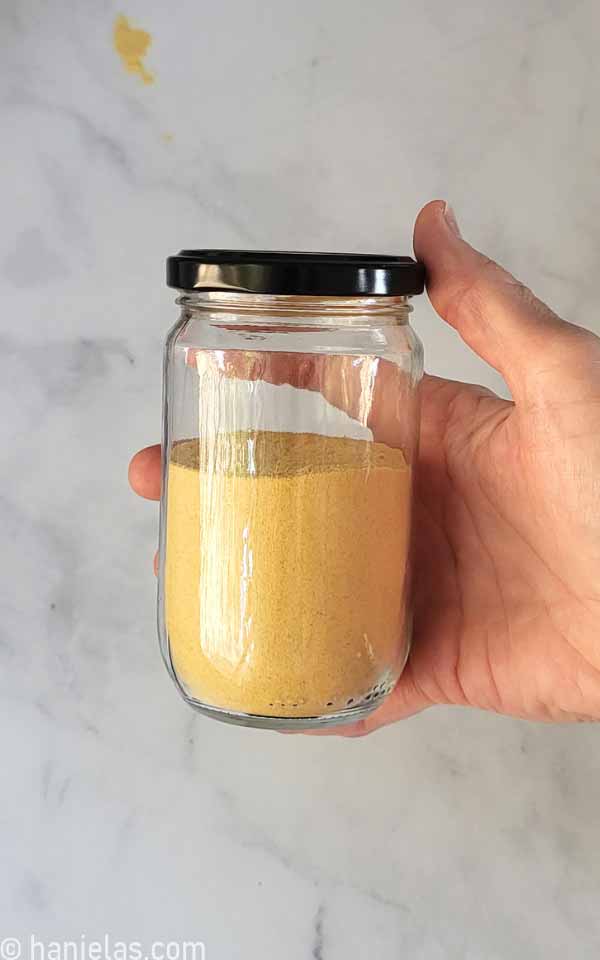
WHY TOAST MILK POWDER?
- Toasting milk powder triggers Maillard browning, turning its sugars and proteins into rich, nutty, caramel-like flavors. The powder shifts from pale cream to deep golden, developing notes of caramel, butterscotch, and toasted milk.
- The process mirrors what happens in brown butter. Those golden-brown bits are toasted milk solids. Toasted milk powder delivers the same complex flavor without the added fat or water.
- Adds complex flavor: Creamier, rich, caramelized, nutty notes of dulce de leche and “brown butter” flavor.
- Promotes browning: It gives your bakes more golden hues.
WHY I USE NONFAT MILK POWDER
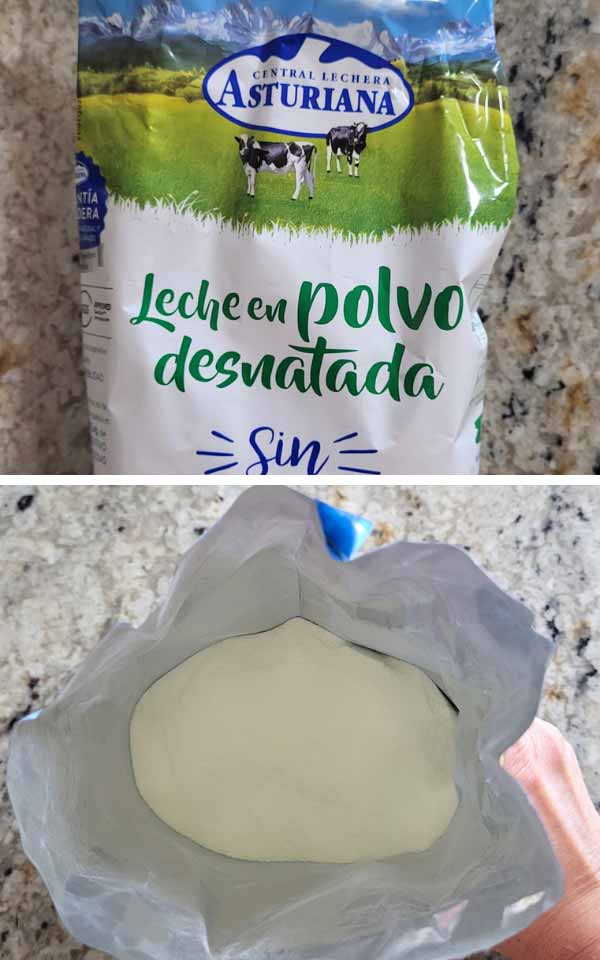
Longer shelf life: Nonfat milk powder contains little to no milk fat, so it’s less prone to rancidity and stores much longer than whole milk powder.
Greater formula control: Nonfat dry milk contributes dairy proteins and lactose without adding fat. This gives you complete control over the type and amount of fat in your recipe, making it easier to fine-tune texture, tenderness, and flavor using butter or other fats of your choice.
HOW TO TOAST MILK POWDER IN A SKILLET
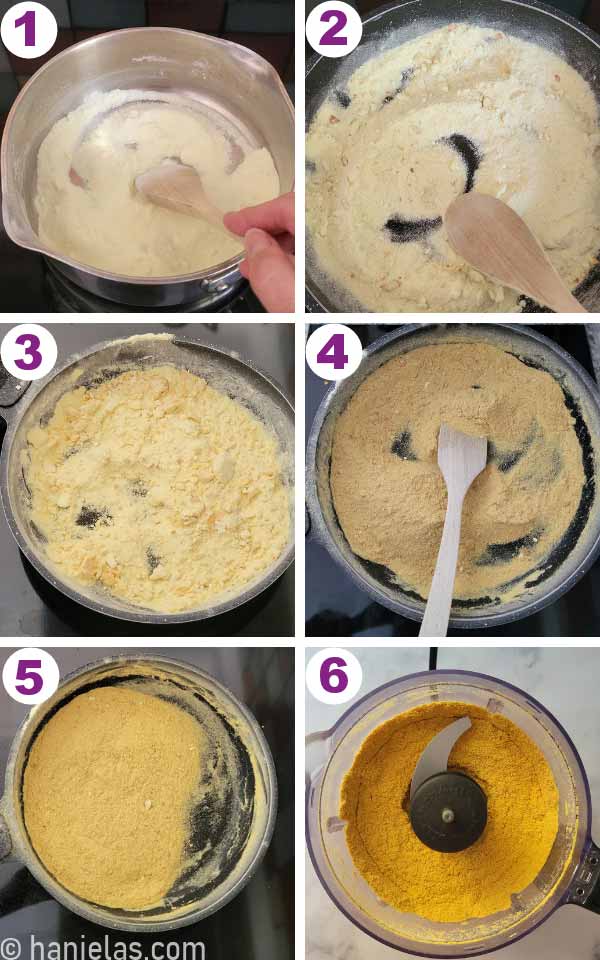
- You can toast milk powder in a skillet in about 5-10 minutes.
- Toast milk powder in a dry skillet over medium-low heat, stirring constantly.
- The mixture will start to clump up. This is normal; break up large clumps.
- Don’t leave it unattended; it can burn easily.
- Toast till golden and fragrant. Remove it from the heat before it becomes too dark. Let it cool.
- If there are too many small lumps, pulse the cooled milk powder in a food processor until smooth and powdery again.
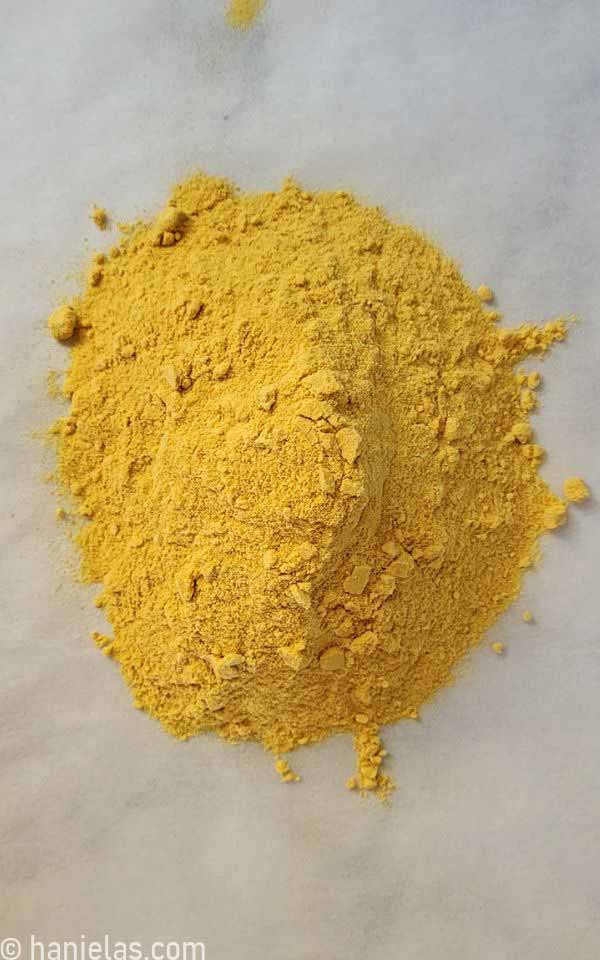
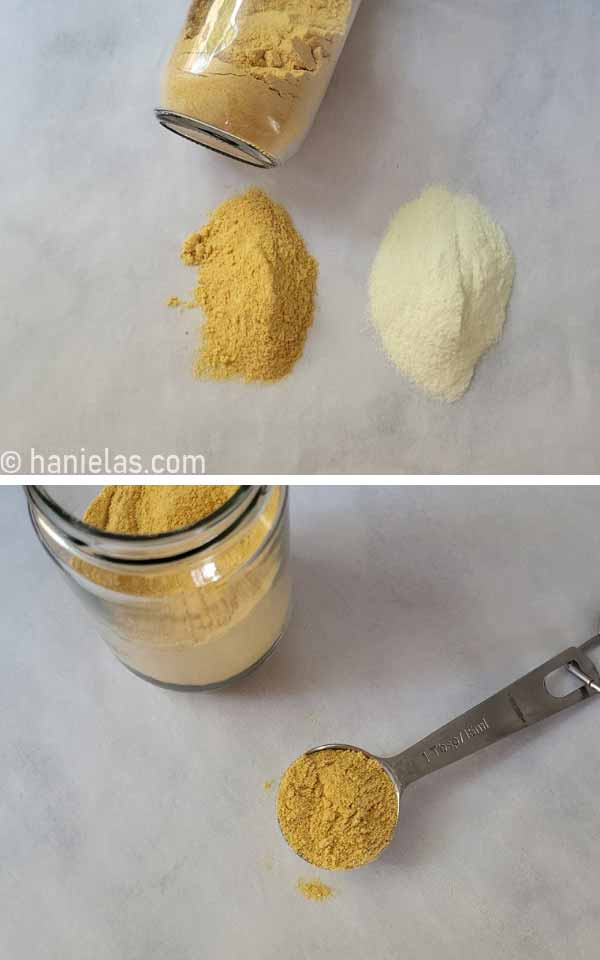
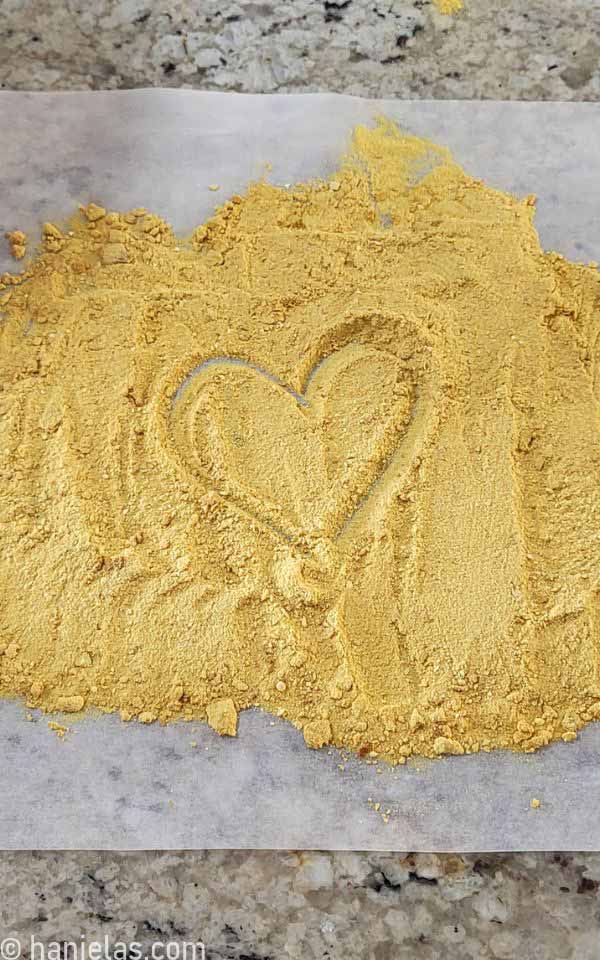
Toasted milk powder has a beautiful golden color and a beautiful caramel-like aroma.
HOW TO USE TOASTED MILK POWDER IN A RECIPE
You only need a little milk powder to see favorable results. Based on my testing, I came to this conclusion: start by swapping 3 -10% of the flour with milk powder.
Replacing more than 10% of the flour with milk powder can slightly tighten and dry out the dough. If the dough feels too tight, add ½ teaspoon of milk at a time. Stay within the 10% range, as too much milk powder can leave a pronounced dairy taste and make the dough crumbly and chalky.
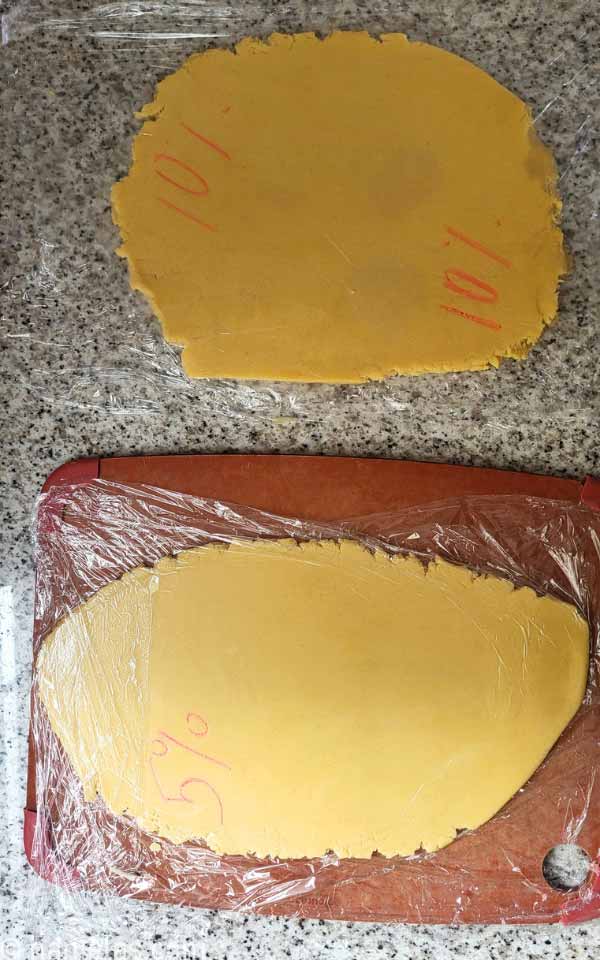
- I tested my cut-out sugar cookie recipe with a 5% and 10% flour-to-toasted-milk swap, without adjusting hydration.
- The first thing you’ll notice immediately is that the 10% dough has a more pronounced golden hue.
- Cookies made with 10% dough also browned faster and were less chewy and slightly drier than those made with 5% dough.
- 10% dough was a bit tighter/denser and had a more noticeable dairy flavor.
- This test confirmed that recipes with more than 10% milk powder benefit from a slight increase in hydration to prevent cookies from becoming too dry and crumbly.
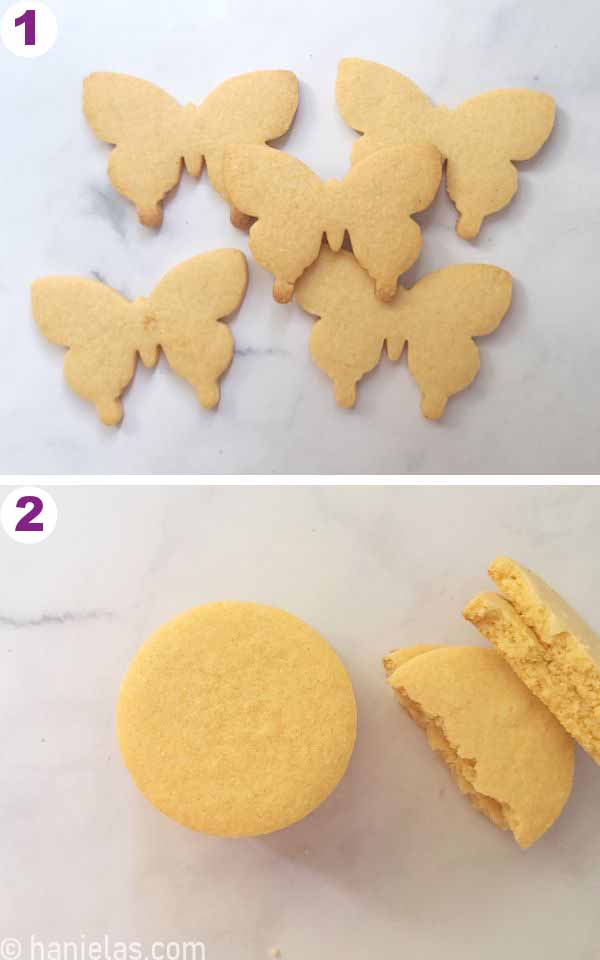
- Image 1: Butterfly cookies (10% swap). Baked at 350°F/180°C for 9 minutes. Cookies browned faster.
- Image 2: Round cookies (5% swap). Baked at 365°F/185°C for 9 minutes.
- Longer baking times tend to produce drier results.
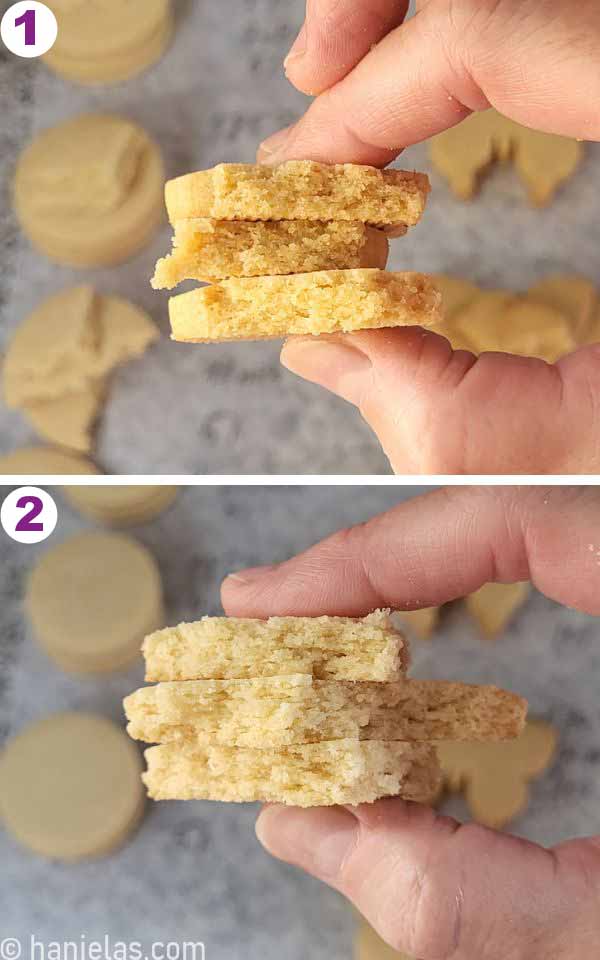
- Image 1: Butterfly cookies.
- Image 2: Round cookies.
- Both cookies were creamy, with a toffee-like, nutty flavor.
CALCULATING SWAP: FLOUR WITH TOASTED MILK
When swapping 5-10% of flour with milk powder, you can generally use a 1:1 swap, but I prefer to use baker’s percentages to keep hydration and texture in check.
Let’s run a quick experiment using my cut-out sugar cookie recipe as the base and swap 10% of the flour with toasted milk powder.
- 1:1 Swap
- (flour grams × swap %) ÷ 100 = toasted milk grams
- (430 × 10 )÷ 100 = 43 grams of toasted milk
- 430-43 = 387 gram flour
- Modified recipe contains: 387 g flour and 43 g toasted milk powder
- Baker’s Percentage Swap
- flour ÷ (swap % in decimal +1) = new flour weight grams
- Decimal of 10% is 0.10
- 430 ÷ (0.10+1)= new flour weight
- 430 ÷ 1.10 = 390.9 grams; new flour weight ≈ 391 grams
- 430-391 = 39 grams of toasted milk powder
- Modified recipe contains: 391 g flour and 39 g toasted milk powder
TOASTED MILK POWDER CHECKLIST
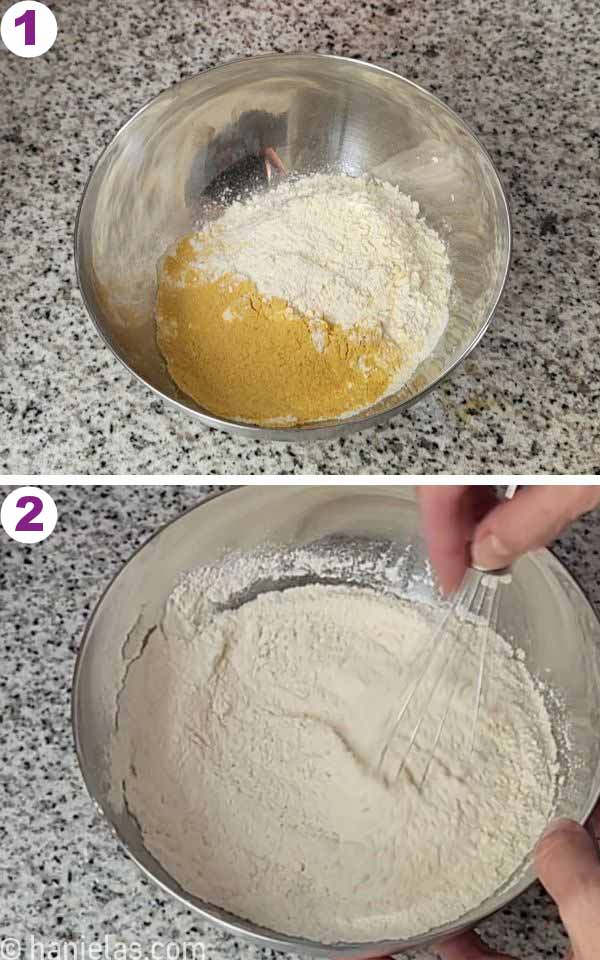
- Cool toasted milk powder completely before adding it to the dough.
- Calculate the flour-to-toasted milk powder swap before measuring ingredients. Keep the flour-to-milk powder ratio at 10% max.
- Whisk or sift it with the flour to distribute it evenly throughout the dry ingredients.
- Adjust hydration if needed. If the dough feels dry or tight after initial mixing, add a small splash of milk, egg yolk, or whipping cream to bring it back together. Start with 1/2 teaspoon.
- Cookies brown faster with milk powder. If they color too quickly, reduce the oven temperature by 25°F (15°C).
SUCCESS TIPS AND FAQ
How to prevent bitter-tasting toasted milk powder
Aim for a golden yellow color, not dark mahogany. To achieve this, start on low heat and stir constantly. How quickly the powder toasts depends on the milk powder’s fat content, the pan you’re using, the heat intensity, and how often you stir.
Use low, gentle heat to control the toasting process. Stir constantly, breaking up small clumps as they form since they can brown very quickly on the bottom, nearly unnoticed. If the powder starts browning too fast, remove it from the heat for a few minutes, stirring it continuously so the carryover heat does the work. Return it to medium-low heat and continue toasting until golden brown.
Immediately transfer the toasted powder to a tray or pour it onto parchment paper, spread it into a thin layer, and stir occasionally to cool quickly.
How much powder can I add to cookies without ruining the recipe?
I recommend keeping the swap to 3 to 10% of the flour. In some recipes, like chocolate cookies, the nutty, dairy flavor isn’t as pronounced (this also depends on how much cocoa powder you use), but it helps round out the flavor and makes chocolate cookies luxuriously creamy and absolutely delicious.
I tried swapping 10% of the flour for toasted milk powder in my sponge cake; I found the cake oddly dense, even after compensating with extra liquid, and I didn’t care for the flavor because it was too strong. I prefer a sponge cake with a much subtler flavor profile.
Start with my Soft Pumpkin Cut-Out Cookies. I use toasted milk powder in this recipe to bring out the best in fall flavors and to help balance moisture from pumpkin puree.
Can I prevent clumps?
Clumping can occur shortly after you start heating the powder, before toasting, with both nonfat/low-fat and full-fat milk powder, though it tends to be more pronounced with the latter. Stir constantly, breaking up larger clumps with the back of the wooden spoon to ensure even golden toasting. Once toasted, let the powder cool completely, then process it in a small chopper until fine and powdery. This breaks up any remaining clumps and helps the powder dissolve more easily.
Toasted Milk Powder
Equipment
- skillet
- whisk or a wooden spoon
Ingredients
- 1 cup nonfat dry milk powder 235-240 grams
Instructions
- Toast the dry milk in a skillet over medium-low heat, stirring constantly, to prevent burning. The powder will start to clump together before gradually toasting. Continue stirring until it turns golden brown.Remove the skillet from the heat and spread the warm toasted milk powder onto parchment paper to cool quickly.Once cooled, pulse it in a small food chopper until fine and powdery, breaking up any remaining clumps.Store it in a glass jar in the fridge for 3-4 months or in the freezer for up to 9 months.

Hi, I’m Hani
Welcome!
Thank you for visiting Haniela’s. On my blog, you’ll find delicious sweet & savory recipes made with simple ingredients. Why not start a new adventure? Discover a world of cookie decorating with my step-by-step tutorials.

Hi, I’m Hani
Welcome!
Thank you for visiting Haniela’s. On my blog, you’ll find delicious sweet & savory recipes made with simple ingredients. Why not start a new adventure? Discover a world of cookie decorating with my step-by-step tutorials.



Great post on all things milk powder, Hani!
Thank you so much, Gail.:-)♥